Yes. If you are in escrow on a Southern California home and the general home inspection did not test for mold, a separate mold inspection is worth adding before your investigation contingency ends. A general inspector is not required to look for mold or concealed damage, and a house shown after a long dry summer can look clean while old water damage sits behind the drywall. The first winter storms are when roofs, windows and grading get tested, which makes the rainy season a useful time to find out what you are actually buying.
This guide is for buyers who are already under contract: what a general inspection leaves out, what to watch for in the seller's disclosures and on the walkthrough, how to fit a mold inspection into the contingency window, and what to do with the results.
Why a Home Bought After a Dry Summer Can Hide Old Water Damage
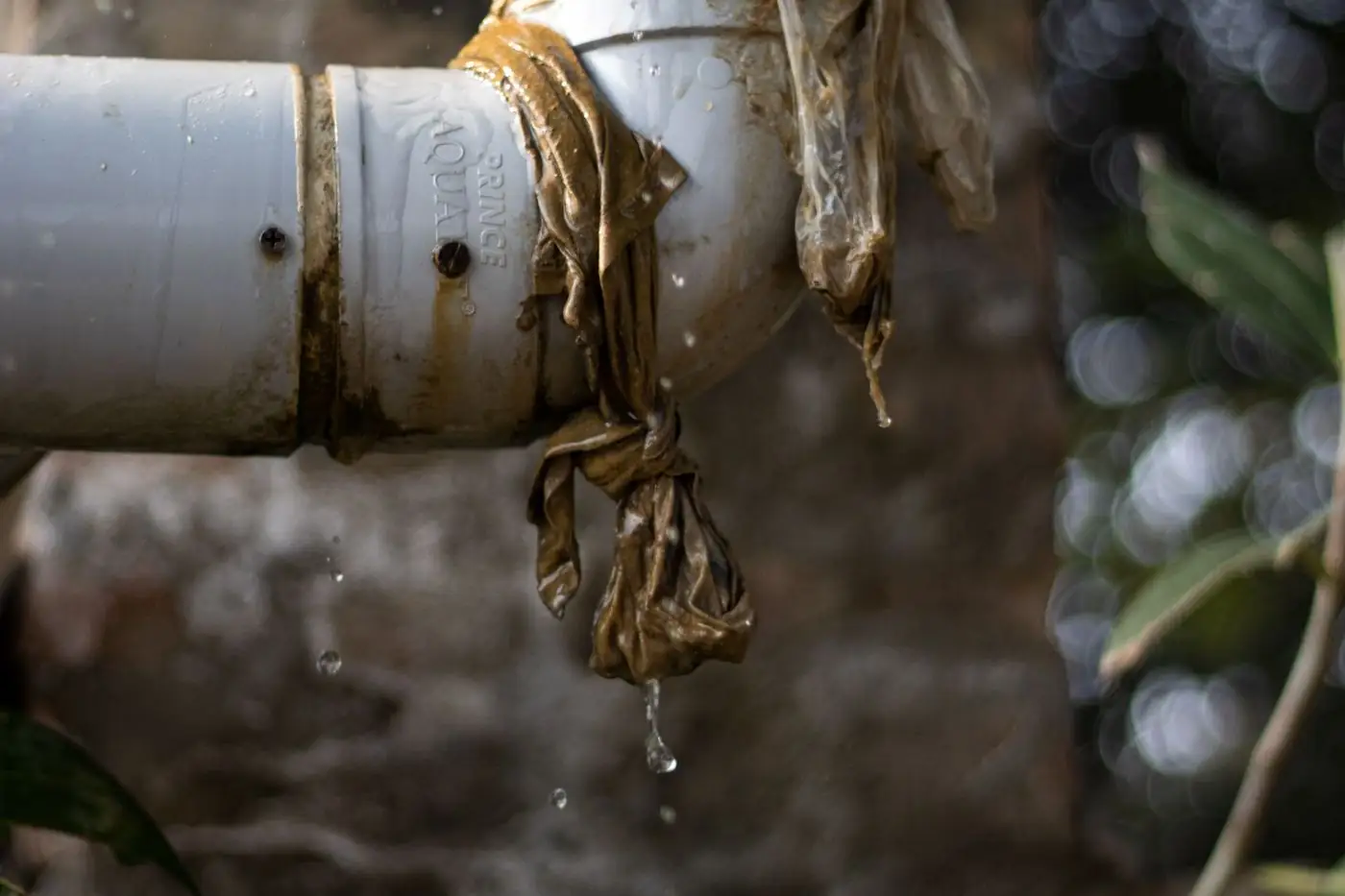
Mold needs moisture, and in Southern California most of that moisture arrives in a handful of winter storms. The CDC explains that mold grows where there is moisture, such as around leaking roofs, windows and pipes or after a flood, and that it takes hold on drywall, wood, carpet, ceiling tiles and insulation. A roof leak from last winter may have dried out months ago, been painted over, and left nothing visible by the time the house is listed in the fall.
Dry and painted is not the same as gone. The EPA's guide to mold and moisture notes that mold can hide on the back side of drywall, wallpaper or paneling, on the top of ceiling tiles and under carpet. A freshly painted, staged home can show none of that on a tour. A buyer touring Southern California homes in the rainy season is looking at the house right when hidden moisture problems start to show again.
What a General Home Inspection Does Not Test For
A general home inspection and a mold inspection answer different questions. Under the InterNACHI Home Inspection Standards of Practice, which many home inspectors follow, the inspector is not required to determine "the presence of mold, mildew or fungus," and the standards state that an inspection "will not identify concealed or latent defects." Components that are not readily accessible are excluded as well.
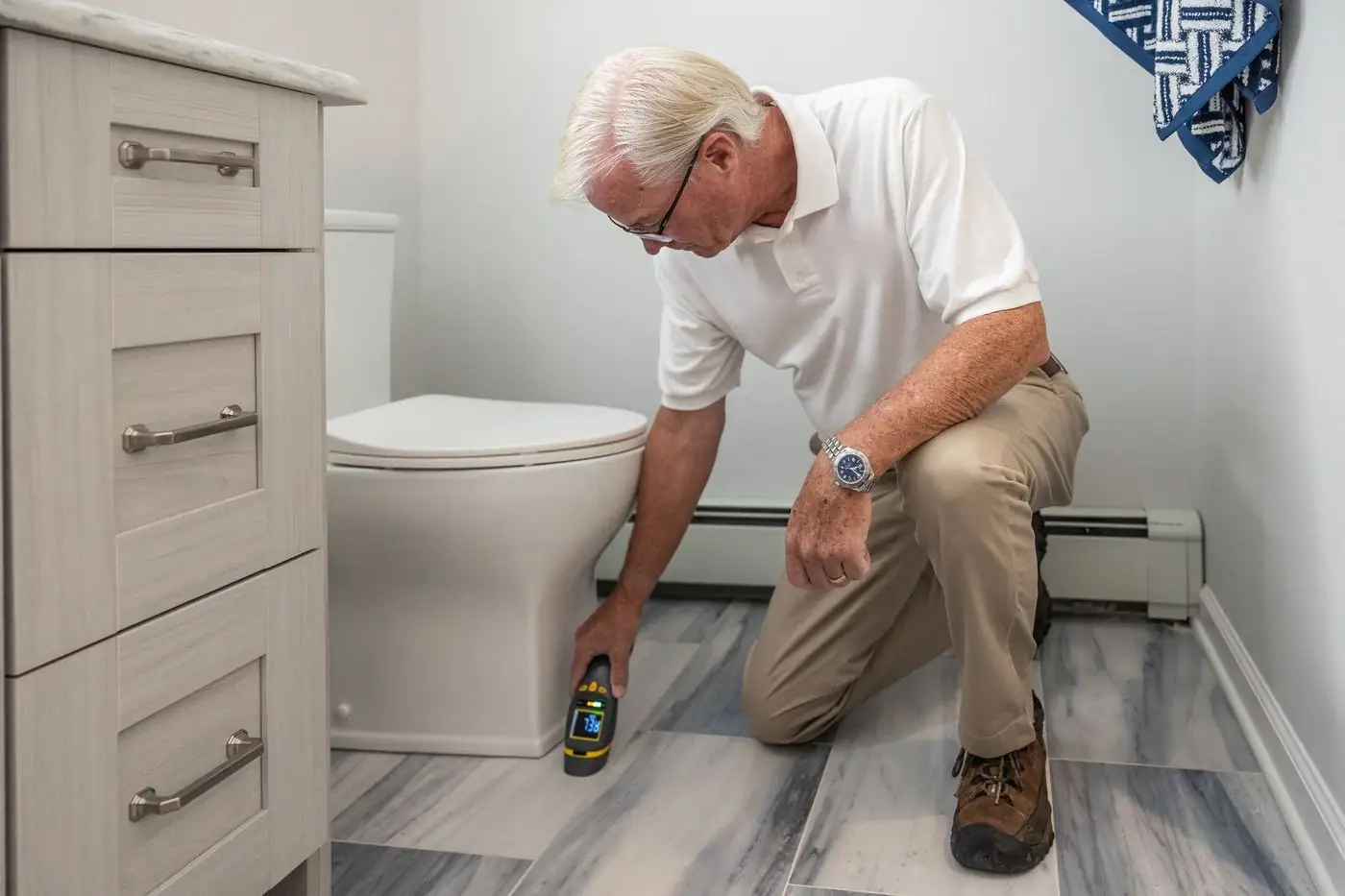
A clean general inspection report tells you the visible systems looked sound on the day of the visit. It does not tell you whether there is moisture inside a wall, a damp crawlspace, or mold behind a bathroom vanity. A mold inspection focuses on exactly that: moisture sources, the conditions that let mold grow, and lab-analyzed samples where they help answer a specific question. For buyers in escrow, the Total Home Health Inspection is the deeper look at a home's environmental health before you commit to it.
Red Flags in the Disclosures and the Walkthrough
Start with the seller's disclosures. Look for anything about past leaks, roof or plumbing repairs, flooding, drainage or grading problems, and insurance claims for water damage. A repair is not a bad sign on its own, but it tells you where to look and what to ask: what failed, how it was dried, and who did the work.
Then use the walkthrough to check the places water collects in a Southern California house. Look at ceilings below bathrooms and along the roofline for faint rings or patches of fresh paint that do not match the rest of the ceiling. Notice any musty or earthy smell in closets, under sinks, or when the heating first runs; air fresheners and open windows in a staged house can cover it during a showing. Check window sills and frames for peeling paint, swollen wood or dark spots in the corners, since the EPA's mold course notes that a little condensation around a window sill can be enough for mold to grow.
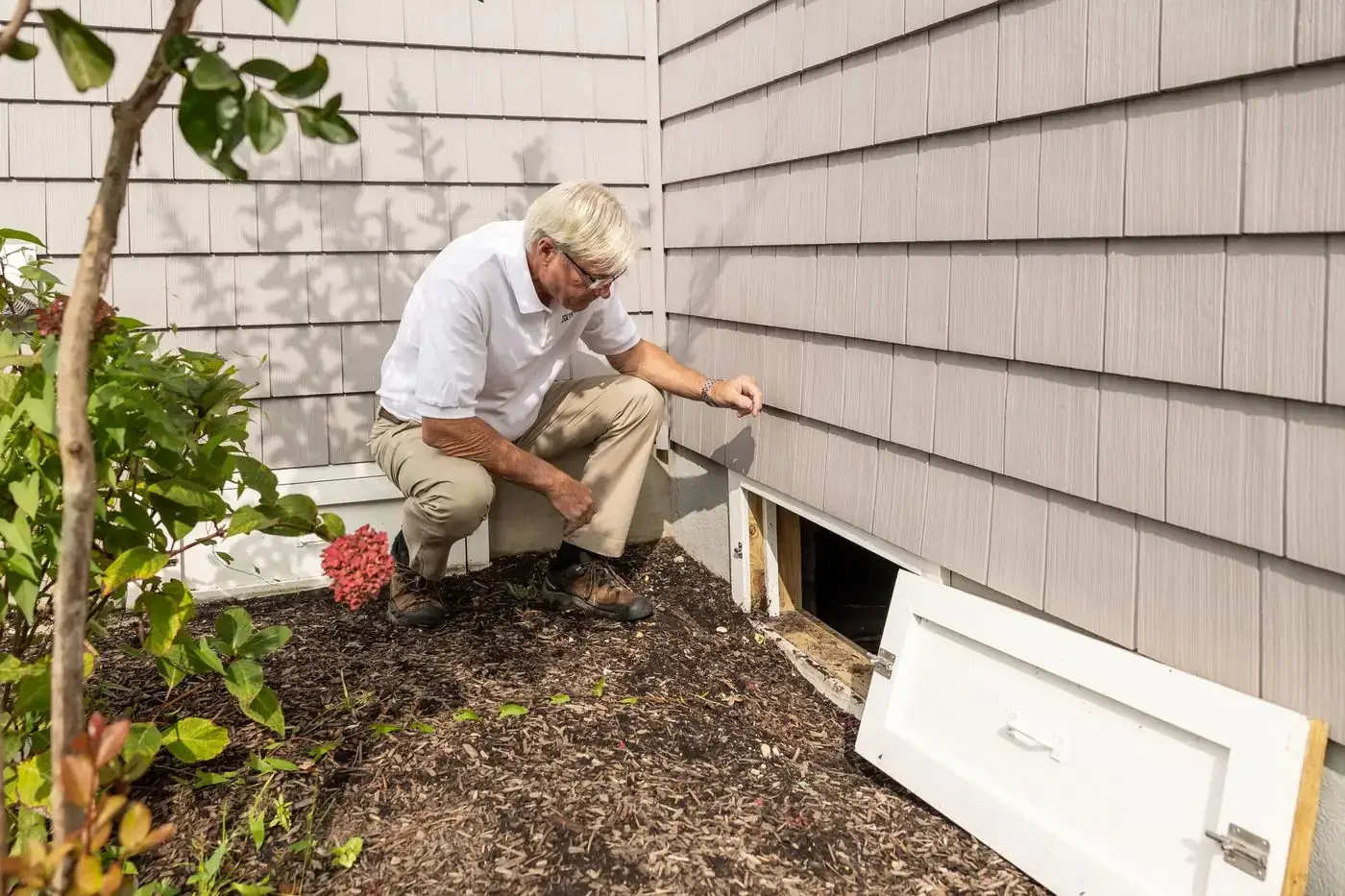
Inside, watch for baseboards that are warped or newly replaced in only one room, and new flooring in a single bathroom or kitchen while the rest of the house is older. Outside, look for soil that slopes toward the house, downspouts that empty against the foundation, and garage or crawlspace walls with water lines or white mineral staining.
If more than one of these shows up, or the disclosures mention a past leak with no record of how it was dried and repaired, that is a strong case for a mold inspection before your contingency deadline. The post on signs you need a mold inspection covers the warning signs in more detail.
Fitting a Mold Inspection Inside Your Contingency Period
In a California home purchase, the buyer's chance to inspect the property and then cancel or ask for repairs is usually tied to an investigation contingency with a fixed deadline in the purchase agreement. That deadline is counted in days, it passes quickly, and your agent can tell you the exact date in your contract. A mold inspection has to be scheduled, performed and reported early enough that you still have time to act on what it finds.
Book the mold inspection as soon as your offer is accepted, alongside the general inspection, instead of waiting for the general report to flag something. Ask your agent to arrange access with the seller, including the attic, the crawlspace, the garage and the cabinets under sinks, because a mold inspection is only as good as what the inspector can reach.
If samples are taken, the lab results come back after the visit, so ask when to expect the written report and build that into your timeline. If time is running short, your agent can ask the seller for a written extension of the contingency. Talk with your agent before removing the investigation contingency without the mold inspection results in hand.
Reading the Results: Negotiate, Repair or Walk Away
A mold inspection report should tell you where moisture or mold was found, how extensive it appears, and what is likely causing it. The cause matters more than the mold itself. As the EPA puts it, "The key to mold control is moisture control." A small patch of growth from a leak that has already been fixed is a very different finding from active moisture inside an exterior wall that nobody has traced.
Small findings with a clear, repaired cause, such as a spot under a sink from an old drain leak, are often handled with a repair request or a credit. The EPA says homeowners can usually clean up a moldy area of less than about 10 square feet themselves, though the leak behind it still has to be fixed.
Larger or unexplained findings, such as growth over a wider area, moisture with no clear source, or signs of a past flood, usually call for a licensed remediation contractor and a repair of the moisture source. Get an estimate from a contractor you choose and use it to negotiate a price reduction, a credit, or a documented seller repair before closing.
Some findings change the deal. If the moisture source is the roof, the grading or the foundation and the seller will not address it, cancelling within the contingency period may be the right call. Your agent and your purchase agreement govern how that works.
West Coast Mold Test performs testing and inspection only, never remediation, so the report is not written to sell you a cleanup. You can take it to any remediation contractor, and to the negotiating table, as an independent finding.
Why the First Rains Are a Good Time to Inspect
A mold inspection during or just after the first storms of the season shows a Southern California house under the conditions that matter. A slow roof leak, a window that lets water in during wind-driven rain, or a lot that drains toward the foundation may show nothing in September. After a storm, damp materials can be found with moisture meters and FLIR thermal imaging before any mold is visible.
Timing matters after closing, too. The EPA advises that you dry water-damaged areas and items within 24 to 48 hours to prevent mold growth, which is hard to do on a problem nobody knows exists. Once the keys are yours, the pre-rain mold check for Southern California homes covers what to look at before a wet winter.
If you are in escrow now, call West Coast Mold Test or send a request with the property address and your contingency date. We will tell you whether a Total Home Health Inspection fits the house and your timeline, with no remediation work to sell you afterward.