To prove mold to a landlord in California, build a written record: dated photos, a written notice to the landlord, and a neutral report that shows where the mold is, how far it extends and what moisture is feeding it. California law treats visible mold growth as a substandard housing condition when it is more than minor, and a renter who complains about habitability is protected from retaliation. A clear record is what turns a complaint into a repair instead of a coat of paint.
The rainy season is when many Southern California renters first notice a stain spreading under a window or a musty closet. This guide covers what the law says, why photos alone often fall short, what an independent Basic Mold Inspection report adds, and when to bring in your city or county code enforcement office. It is general information, not legal advice; a local tenant rights organization or attorney can speak to your lease.
What California Law Treats as a Habitability Problem
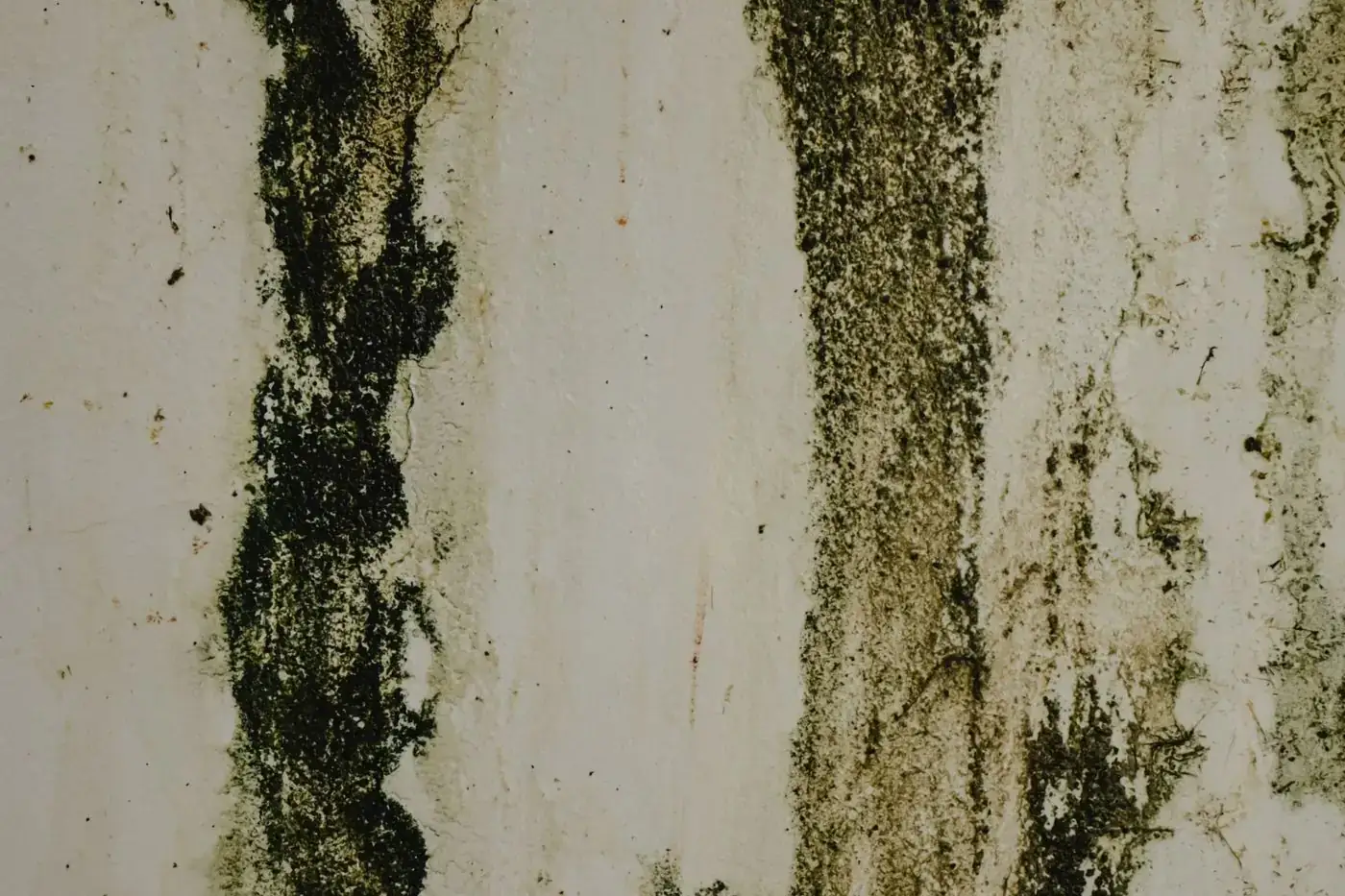
California Health and Safety Code section 17920.3 lists conditions that make a building substandard when they endanger the health or safety of the people living there. The list includes visible mold growth, as determined by a health officer or code enforcement officer, and dampness of habitable rooms. It excludes mold that is minor and found on surfaces that collect moisture as part of their normal use, such as a little growth on a shower grout line.
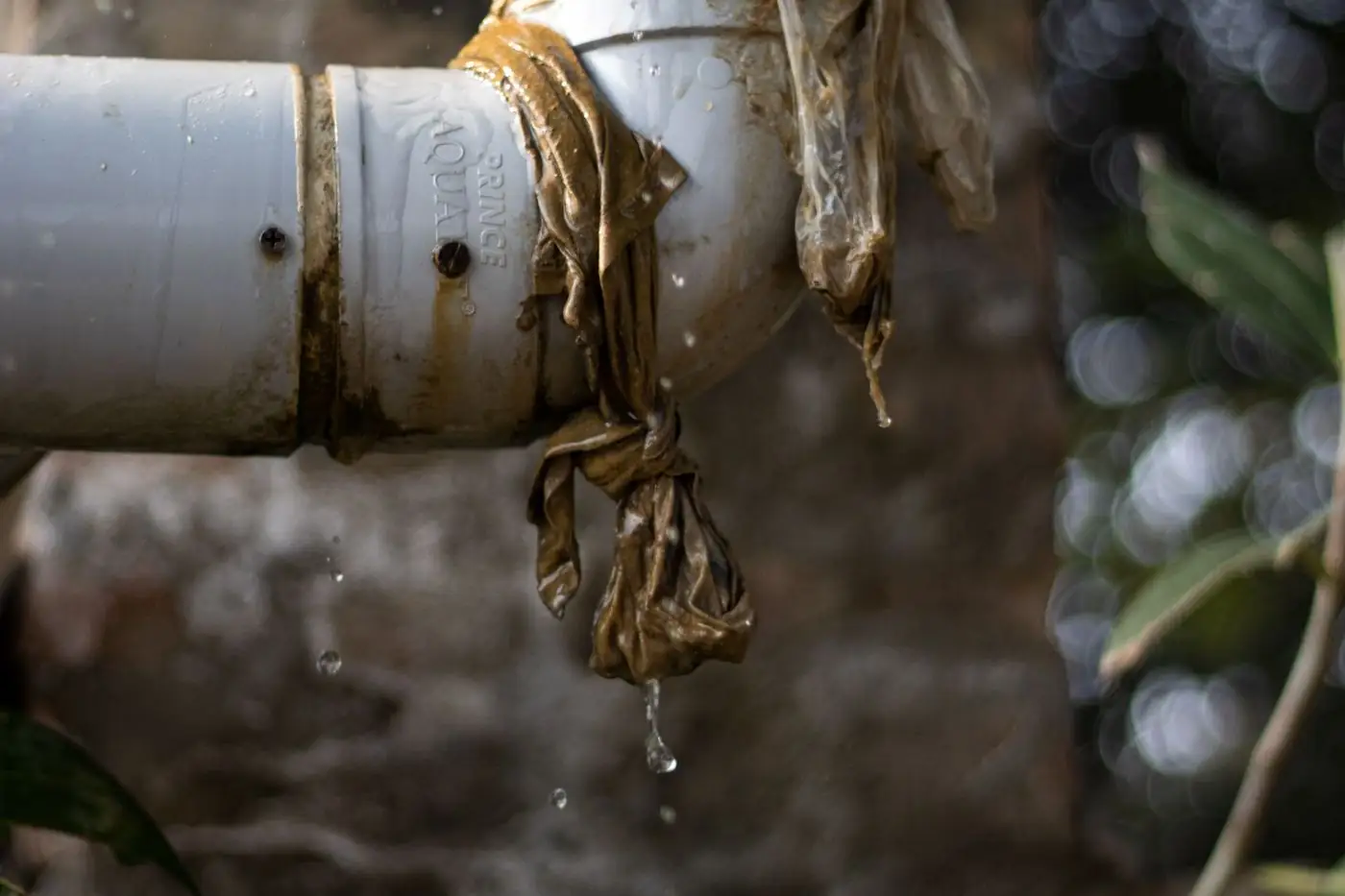
California Civil Code section 1941.1 then lists what makes a rental unit untenantable, including a lack of effective waterproofing and weather protection of the roof and exterior walls, plumbing that is not kept in good working order, and any unit described in section 17920.3. In plain terms: a roof leak, a failed window seal or a dripping supply line that grows mold inside a California rental is a habitability problem, not a cosmetic one.
Why Photos Alone Often Are Not Enough
Photos of mold in a rental unit are worth taking, and you should take them before anything is cleaned or painted. Shoot wide to show the room, then close up, and keep the original files so the date and time stay attached. But photos show only the surface. A landlord can call a dark spot dirt, call it condensation from cooking or showering, or wipe it and paint over it, and the photo cannot answer whether the wall behind it is still wet.
The cause matters. The California Department of Public Health mold booklet notes that a code enforcement officer may decide that moisture in a building comes from a tenant's actions or inactions, such as not using a bathroom fan. If the real source is a leak in the wall or roof, a renter needs something that shows it.
What an Independent Mold Inspection Report Shows
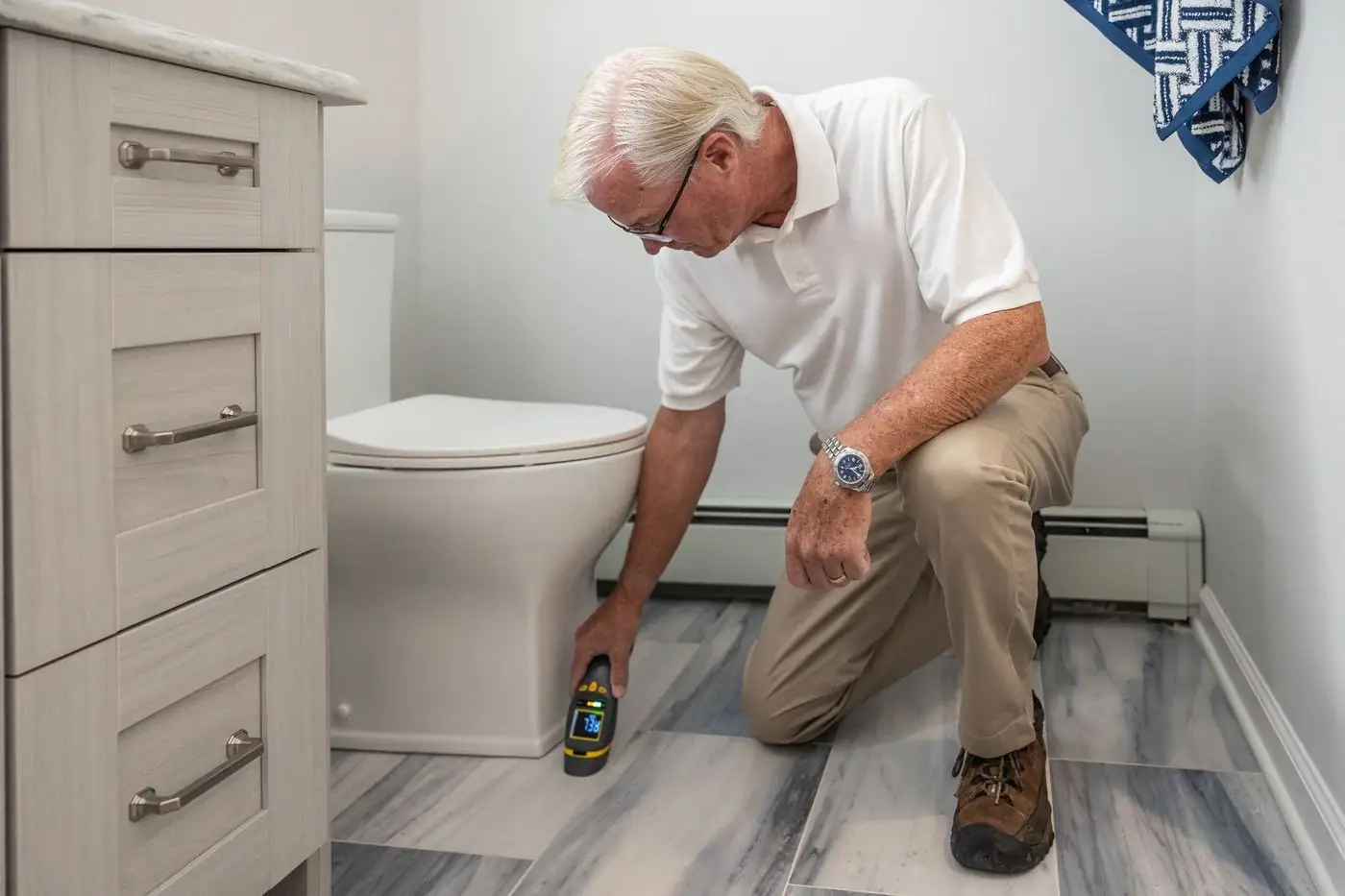
An independent mold inspection report for a renter documents the condition in a way a phone photo cannot: where the visible growth is, how large an area it covers, moisture meter readings in and around it, and the most likely moisture source. Tools like FLIR Thermal Imaging and Moisture Intrusion Testing can show whether a wall or ceiling is still wet behind the paint, which is often the difference between a leak the landlord must repair and a surface stain that gets wiped away.
A report is not a spore count contest. CDPH does not recommend measuring mold spores to decide whether mold or moisture needs to be fixed, because those numbers say little about health risk. For a rental, the useful findings are visible growth, measured moisture and the source, written down by someone with no stake in the outcome. Lab samples can still help in specific cases, such as suspected hidden growth, and the inspector should explain when they add something and when they do not.
How to Give Written Notice and Keep a Paper Trail
Tell your landlord about mold in writing, even if you already mentioned it in person or by phone. A short, dated letter or email is enough: the unit address, what you see and where, when you first noticed it, any leak you suspect, and a request for repair. Attach your photos and, if you have one, the inspection report. Keep a copy, and use a delivery method that gives you proof it arrived.
Then keep a simple log: every message sent and received, every visit, and what was done. If someone comes out and paints over the stain without finding the water, write that down and photograph it.
California Civil Code section 1942.5 protects renters who complain about habitability from retaliation. Within 180 days of a protected complaint or agency inspection, a landlord who is not owed back rent generally cannot raise the rent, cut services or try to force the tenant out in retaliation. A tenant can rely on that 180 day protection no more than once in any 12-month period, and it applies only when the rent is not in default, so stay current on rent while the repair is pending.
When to Call City or County Code Enforcement
If your landlord does not respond in a reasonable time, the CDPH mold booklet advises renters to contact the local city or county code enforcement agency and ask for an inspection for violations. CDPH itself does not inspect homes or enforce housing codes; local agencies do. In Southern California that is usually the city's code enforcement or housing department inside city limits, and the county's environmental health or code enforcement office in unincorporated areas such as parts of the High Desert.
Bring your notice, your log, your photos and the inspection report. Under section 17920.3, it is the health officer or code enforcement officer who determines whether visible mold growth makes the unit substandard, and a report showing measured moisture and a likely source gives that officer something concrete to check. CDPH's guidance for code enforcement tells officers to confirm that the mold is more than minor and to identify and fix the moisture source, which is the same information a good report records.
Why the Mold Inspector Should Not Be the Landlord's Remediation Company
When a landlord sends a contractor who both inspects and sells mold cleanup, the findings and the repair bill come from the same company. That contractor works for the owner, and the owner is the one paying for any repair. A renter is better served by a mold inspector who does not sell remediation to anyone, so the report has no reason to shrink the problem for the landlord or inflate it for a cleanup sale.
West Coast Mold Test performs mold testing and inspection only, with no remediation work attached. The report describes what is there and where the moisture is coming from, and the landlord remains free to hire any licensed contractor to make the repair.
Getting an Independent Mold Report for Your Rental
If you rent in Los Angeles, San Diego or the High Desert and your landlord has not taken the mold in your unit seriously, a Basic Mold Inspection from West Coast Mold Test gives you a neutral, written record to send with your notice or bring to code enforcement. If a leak is the likely cause, Leak Detection can help pinpoint it. Contact West Coast Mold Test with what you are seeing and where, and we will tell you which visit fits before you book.