A burning dust smell the first time you turn the heater on is usually harmless and fades quickly. A damp, musty or mildew odor that comes out of the vents every time the system runs is different: it points to moisture somewhere in the furnace, the air handler or the ductwork, and moisture is what mold needs. If the smell is musty rather than scorched, and it does not go away, it is worth having the heating system and the air in your Southern California home checked.
This guide explains how to tell the two smells apart, where moisture builds up inside a forced air system over a dry summer, and what a Total Home Health Inspection looks at when the vents smell wrong.
Burning Dust Versus a Damp, Musty Odor: Telling Them Apart
Dust settles on a furnace while it sits unused through the warm months. When the heater comes on for the first time in fall, that dust burns off and the house briefly smells hot or scorched. Trane, the HVAC manufacturer, suggests letting the unit run for about 10 minutes; if the smell fades, you are likely fine, and if it persists or gets worse, turn the system off and call an HVAC professional. A sharp electrical or melting plastic smell is a separate warning sign and also means turning the unit off right away.
A musty smell behaves differently. It smells earthy, damp or like a wet towel left in a closed bag, it does not burn off, and it tends to return each time the blower starts. Trane notes that dirty filters or clogged vents can lead to mold or mildew growth inside the heating system or ductwork, and that if a fresh filter does not clear the odor, the unit and ducts should be inspected. The EPA puts it simply: hidden mold may be suspected if a building smells moldy, but you cannot see the source.
A quick way to sort the two: note whether the smell is scorched or damp, whether it fades or repeats, and whether it is strongest at the supply vents, at the return grille or near the furnace closet. Swap in a clean filter first. If a musty odor keeps coming back after that, the source is moisture, not dust.
Where Moisture Collects in a Forced Air System Over a Southern California Summer
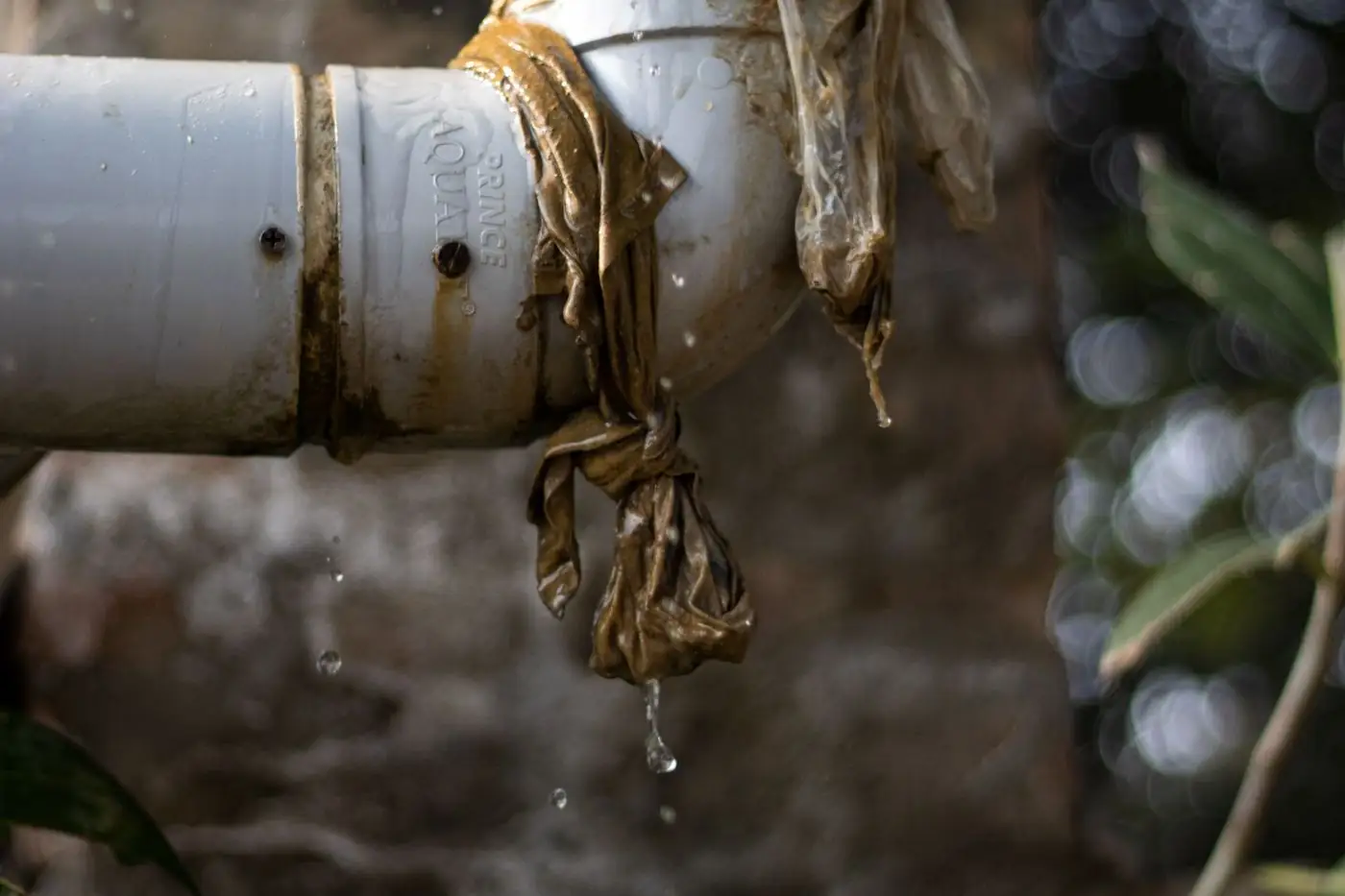
In most Southern California homes the same ducts and air handler carry both heating and air conditioning. All summer, the air conditioning coil pulls water out of the air, and that water is supposed to drip into a drain pan and run out through a condensate line. The EPA identifies condensation near cooling coils as a major source of moisture in duct systems and says the presence of condensation or high relative humidity is an important indicator of mold risk.
These are the places water usually sits inside a forced air system.
The drain pan and condensate line
A pan that does not drain fully, or a line clogged with sludge, holds standing water right next to the coil and blower. The EPA advises keeping air conditioning drip pans clean and the drain lines unobstructed and flowing properly.
Ducts running through hot attics and garages
Cool air moving through a duct in a hot attic can sweat on the outside of the duct, or on the inside where insulation or a seal has failed. The EPA recommends insulating ducts that run through unconditioned spaces for this reason.
Internal duct insulation
Fiberglass duct liner and flex duct insulation soak up moisture and dust together. According to the EPA, if insulated ducts get wet or moldy, the insulation cannot be effectively cleaned and should be removed and replaced.
When the heat comes on in fall, warm air passes over whatever grew on those damp surfaces during the summer and carries the odor into every room.
Signs the Smell Is Coming From the Ducts, the Air Handler or the Walls Around Them
Where the musty smell is strongest helps narrow down the source in a Southern California home.
Strongest at the furnace or air handler
A smell concentrated at the furnace closet, the garage unit or the attic access often traces back to the drain pan, the coil or the blower compartment. Rust, water stains or a damp floor around the unit point the same way.
Strongest at the supply vents in every room
An odor that comes out of every register when the blower runs suggests something inside the main ducts or the air handler, since all the air passes through them. Dark spotting on the register grilles or the ceiling around them is worth noting, although dust can look similar, which is why the EPA recommends asking anyone who claims there is mold in your ducts to show it to you and, if needed, confirming it with lab analysis.
Strongest in one room or near one wall
A smell limited to a single room may not be the HVAC system at all. A leaking supply line, a shower pan or a roof leak can wet the wall cavity next to a duct run or a return grille, and the moving air simply pulls the odor out. In that case Moisture Intrusion Testing or FLIR Thermal Imaging can locate wet materials without opening the wall.
Worse on humid or rainy days
If the odor rises with the weather, moisture is coming from outside the system as well as inside it.
Why Duct Cleaning Alone Does Not Fix a Moisture Problem
When the vents smell musty, duct cleaning is often the first thing homeowners are offered. Cleaning can remove dust and debris, but it does not remove the water that let mold grow. The EPA is direct about this: if the conditions causing the mold growth in the first place are not corrected, mold growth will recur. The same EPA guidance says controlling moisture is the most effective way to prevent biological growth in air ducts, and that duct cleaning has never been shown to actually prevent health problems.
There are other limits. Wet or moldy fiberglass duct insulation should be replaced rather than cleaned, and the EPA advises against steam cleaning or other methods that add water to ductwork. A cleaning visit also does not test whether the smell is mold, measure humidity in the home or look at the walls and ceilings around the duct runs.
That is why it makes sense to find out what is actually causing the musty odor before paying for cleaning or replacement. An independent test tells you whether there is mold, where it is and what is feeding it, so the repair contractor you hire fixes the source instead of just the symptom.
What a Home Health Inspection Checks Before the Rainy Season Starts
Late fall is a good time to check, because the heater has just revealed the problem and the winter storms have not yet added outside water to it. A Total Home Health Inspection from West Coast Mold Test covers the heating system and the home around it.
A full HVAC system inspection
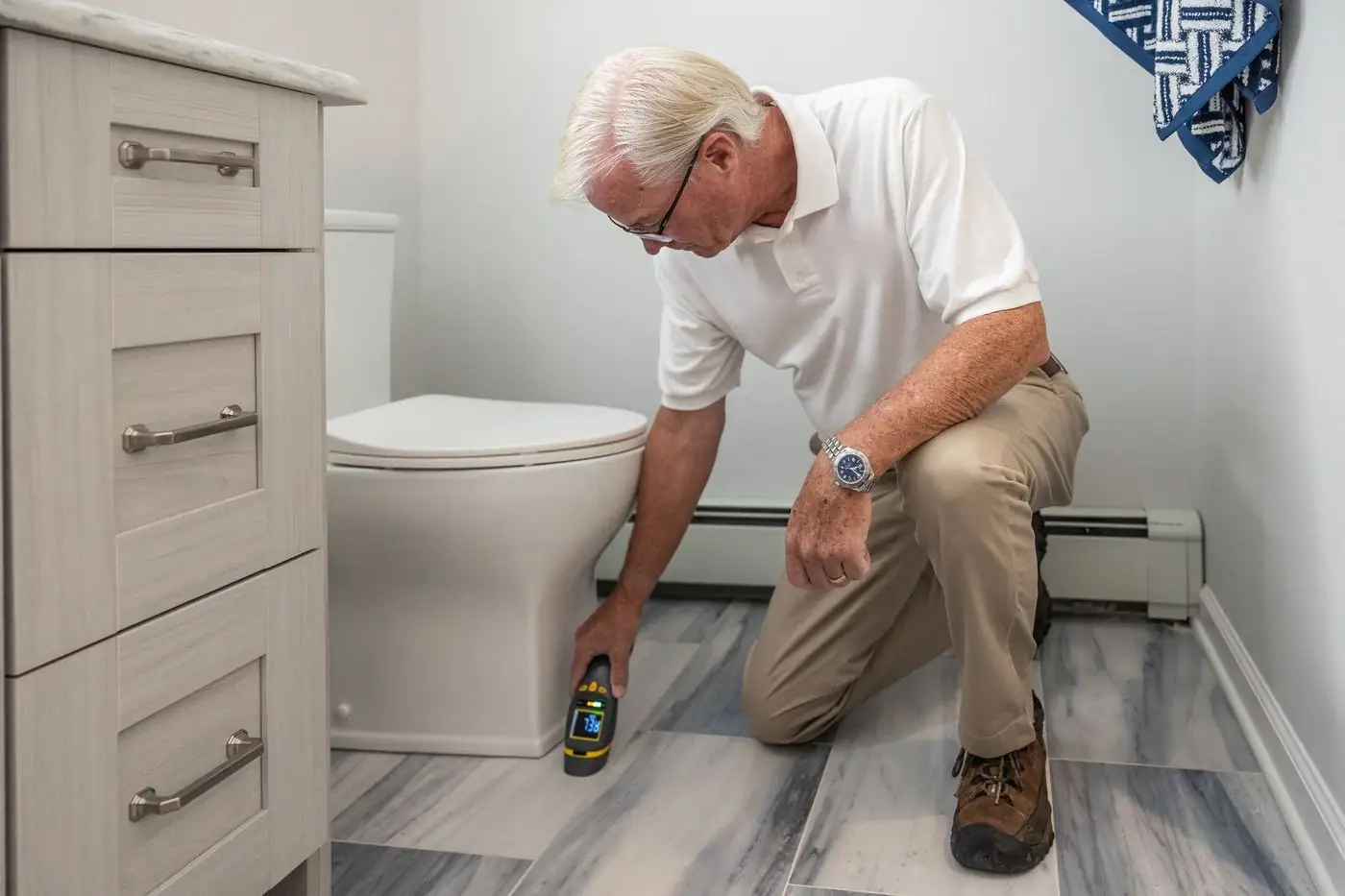
The furnace or air handler, coil area, drain pan, condensate line, filter, returns and accessible duct runs are examined for water, staining and visible growth.
An HVAC swab sample
A swab from inside the system is sent to a certified microbiology laboratory to check for contamination, so the answer does not rest on whether a dark spot looks like mold.
Air samples for airborne mold spores
Air sampling shows whether spore levels inside the home are elevated compared with outdoors, which matters when the system has been blowing air through the house.
Humidity, temperature and moisture readings
The EPA recommends keeping indoor humidity below 60 percent (ideally between 30 and 50 percent) relative humidity, and readings show whether the home or any one room is above that.
An interior and exterior examination
Walls, ceilings and areas around the duct runs are checked for signs of mold so a leak next to the system is not mistaken for a duct problem.
You receive a written report with the lab results and recommendations. West Coast Mold Test performs testing and inspection only, never remediation, so the report has no reason to make the problem sound bigger than it is.
When to Call for a Home Health Inspection
Call for an inspection if the heater smell is damp or musty rather than scorched, if it is still there after a clean filter and a few heating cycles, if you see water or staining around the furnace or air handler, or if anyone in the home feels worse when the heat is running and better away from the house. A musty smell from the vents is also worth checking before you sign up for duct cleaning or HVAC replacement, so you know what you are paying to fix.
If the smell seems tied to one room or one wall rather than the whole system, a Basic Mold Inspection may be the better fit. If it is unclear which one you need, describe what you are smelling and where, and we will tell you which service applies.
West Coast Mold Test provides independent mold testing across Los Angeles, San Diego and the High Desert. To schedule a Total Home Health Inspection before the rainy season, contact us and tell us what the heater smells like.